
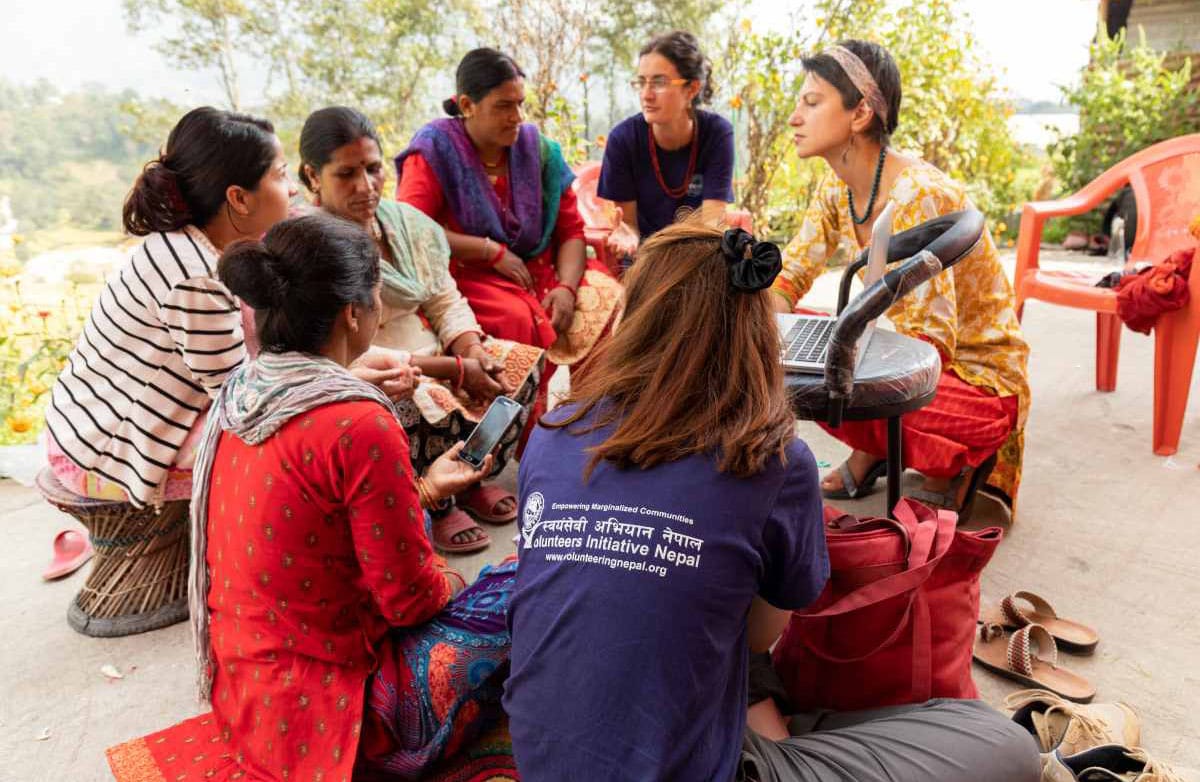
Empowering Women in Nepal through Skills, Education, and Leadership
Empowering Women in Nepal through Skills, Education, and Leadership
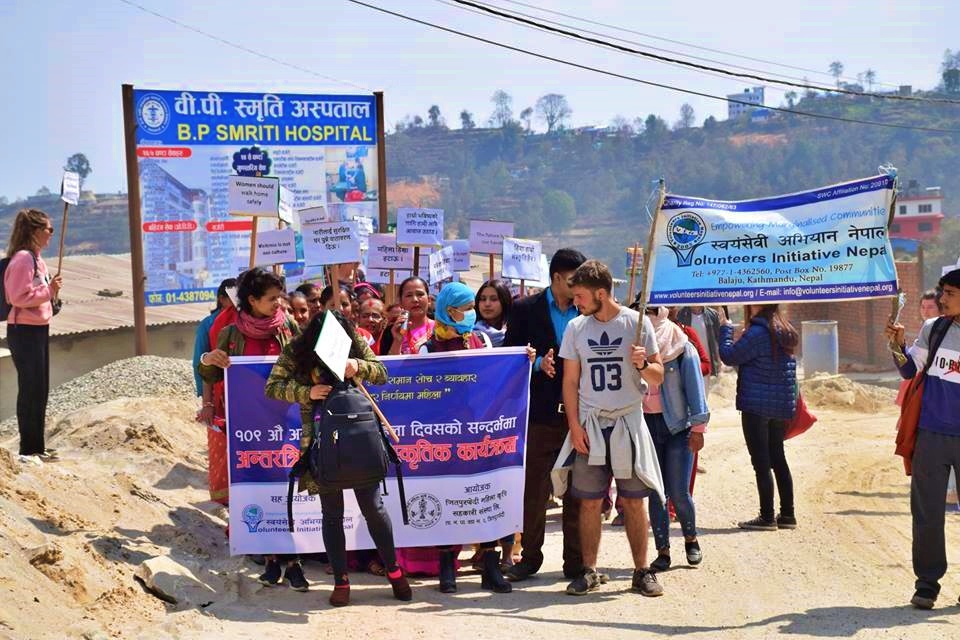
Volunteers Initiative Nepal (VIN) is strongly committed to promoting gender equality and women’s empowerment across the country. By focusing on education, skills training, leadership development, and community support, the organisation seeks to transform the lives of Nepalese women. Through these targeted initiatives, the Women’s Empowerment Programme provides disadvantaged and marginalised women with essential tools for achieving economic independence and long-term gender equality. As a result, empowering women not only strengthens families but also enhances communities and contributes to sustainable development. Moreover, these efforts help create an environment where women can fully participate in social, economic, and political life, fostering broader societal growth.
What is a Women Empowerment Program?
The Women’s Empowerment Program is a key initiative aimed at promoting gender equality and advancing women’s rights worldwide. Although gender equality remains a global concern, Nepal faces unique challenges that differ significantly from those in economically developed regions such as Europe and North America.
Many women in Nepal encounter substantial barriers that hinder their empowerment. For example, a significant portion of the female population cannot read or write, underscoring the urgent need for educational initiatives. Consequently, this lack of education contributes to a lower life expectancy for women compared to men, emphasizing the necessity for programs that enhance both health and longevity.
Furthermore, economic dependency continues to be a prevalent issue. Women often rely on men for essential needs such as housing, food, and financial stability. As a result, this cycle of dependency severely limits opportunities for personal and professional growth, making economic empowerment a critical focus of development efforts.
The impact of women’s empowerment extends beyond individual benefits. By fostering education and skills training, these programs strengthen families, enhance community well-being, and contribute to national development. In addition, empowering women helps challenge traditional societal norms and promotes equality across multiple sectors.
Ultimately, women’s empowerment initiatives serve as a cornerstone for transforming society. They play a crucial role in improving women’s lives and creating a future where women can thrive as equal partners in social, economic, and political life.
Five pillars of women’s empowerment
Education
Ensuring equal access to education for women.
Economic Independence
Providing opportunities for women’s economic participation and financial self-sufficiency.
Healthcare
Ensuring access to quality healthcare, including reproductive health services.
Political Participation
Encouraging women’s involvement and representation in political processes.
Legal Equality
Establishing and enforcing laws that guarantee equal rights and protection for women.
Why does Women’s Empowerment Matter in Nepal?
Women in Nepal face significant challenges, from social discrimination to limited access to education and job opportunities. According to UN Women, gender inequality is deeply rooted in Nepali society, impacting women’s ability to participate in economic and social life. Reports indicate that women are often excluded from decision-making processes, leading to a lack of representation in leadership roles. Addressing these disparities is crucial for sustainable development, and empowering women is a vital step in this direction.
Our Women Empowerment Program focuses on tackling these issues by providing women with the skills and confidence they need to assert their rights and take control of their futures. By equipping them with practical skills, we can help them break free from the cycle of poverty and dependency.
Situation for women in Nepal
- 239 women out of every 10,000 die due to childbirth.
- The employment rate of Nepalese women stands at 80%, far lower than men’s.
- Nepalese women in rural areas are more vulnerable than those in urban or semi-urban areas, who typically lack better economic, health, education, and empowerment opportunities.
- Nearly 85% of Nepalese women are employed in the agricultural sector.
- Almost half of Nepalese women are married before they are 18 years old.
- Nepalese women’s general immunisation rates and health and nutrition standards, particularly in rural areas, could be improved.
Significant issues in women’s health in Nepal
- Shorter life expectancy and high maternal mortality rate.
- Higher infant and child mortality rates and neglect of girls’ health.
- Mental Health issues for women are taboo.
- A lack of adequate health care services and access to contraception.
- Cultural and societal expectations and prejudices towards women’s bodies, virginity, sexual activity, and menstruation.
Goals for Women’s Empowerment Programme
The primary goal of the Women Empowerment Program is to enhance the social and economic status of women in Nepal through education, life skills training, microfinance, and income-generating initiatives. In particular, VIN provides accessible educational opportunities, including English language courses and essential life skills workshops, tailored to women of all ages. By prioritising support for the most vulnerable women and girls, the program seeks to build confidence, promote self-sufficiency, and foster gender equality. Ultimately, these efforts contribute to a more equitable and inclusive society.
How does VIN achieve the goal of Women’s Empowerment?
VIN runs several projects that uplift women through education, income generation, and protection initiatives. In addition, a comprehensive support system addresses the social, cultural, and economic challenges women face in their communities. To achieve these goals, four major women’s empowerment projects are implemented throughout the program area, providing holistic support for women’s growth and independence.
1. Education, Rights, and Life Skills
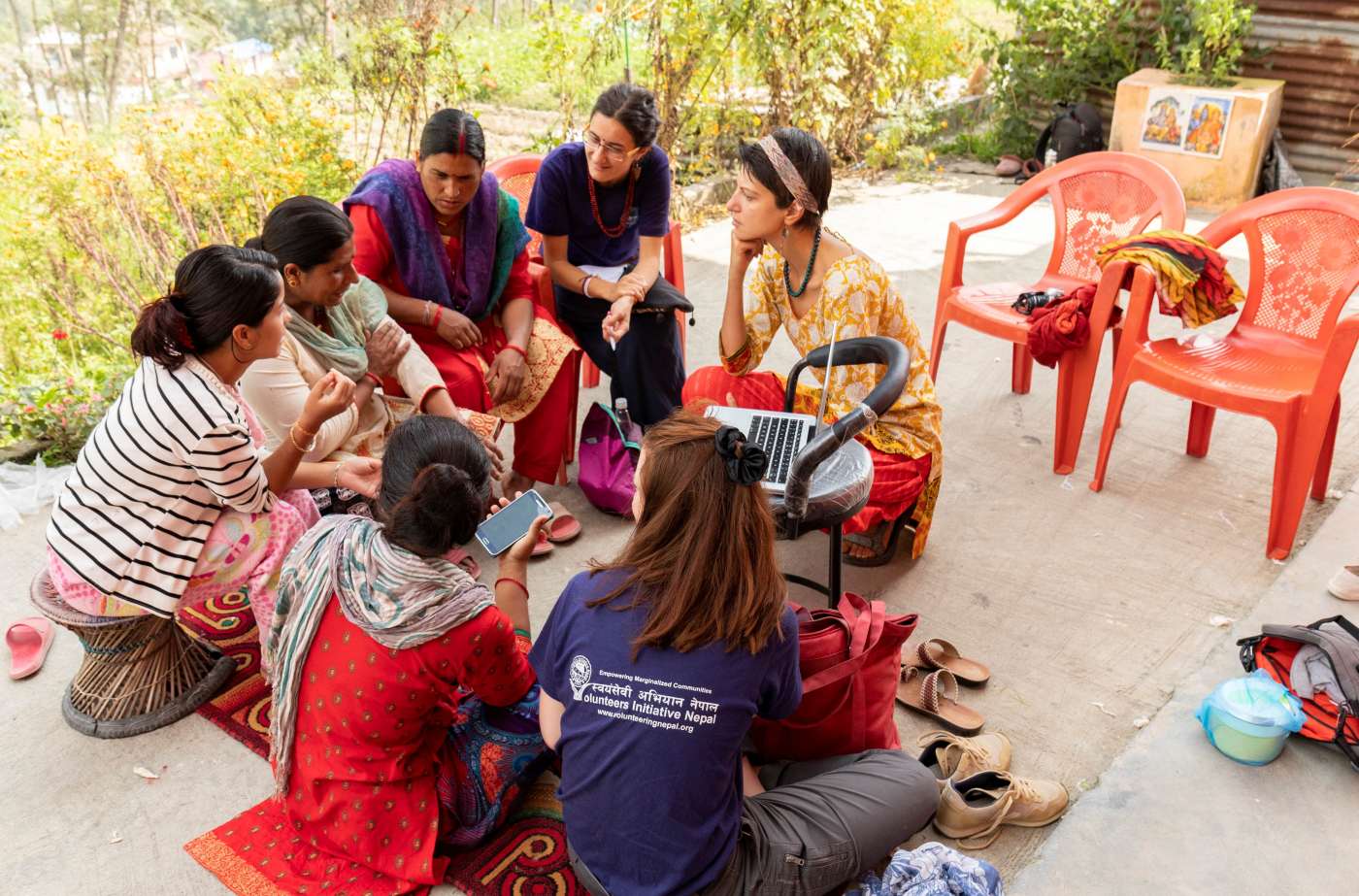
The program provides education, life skills, and leadership development training to strengthen women’s confidence and independence. As a result, participants develop stronger communication abilities, improved decision-making skills, and a better understanding of their rights. Ultimately, the program aims to prepare women to become active community leaders and positive change-makers.
Thousands of women have participated in classes covering life skills such as communication, self-awareness, stress management, and emotional coping. Additionally, professional skills like mathematics and computer literacy are taught. Health-related classes address fertility, sexual health, breast cancer awareness, and basic sanitation. Furthermore, the Women’s Business Center in Kathmandu and Community Learning Centers in Okhaldhunga provide ongoing opportunities to practice and apply these skills.
Adult Literacy Programs
Our adult literacy programs aim to improve literacy rates among women, enabling them to read, write, and access better job opportunities and health information. By improving literacy, women gain essential tools for personal development and empowerment.
Girl Child Education
We advocate for girls’ education by providing scholarships and school support. By educating girls, we help break the cycle of poverty and improve future generations’ health, economic, and social outcomes.
Fundamental Women’s Rights in Nepal
The constitution guarantees the following rights:
-
Equal access to education and employment opportunities
-
Reproductive rights and healthcare access
-
Political participation and representation
-
Freedom from violence and protection against abuse
-
Property rights and access to resources
-
Equal pay for equal work
-
Freedom from gender-based discrimination
-
Safe working conditions
-
Legal recourse and protection
-
Marriage and family rights, including freedom of choice
-
Right to nationality and citizenship
2. Microcredit / Microfinance
Microcredit programs enable women to manage finances effectively and reduce economic dependency. Through VIN’s microfinance initiatives, women receive guidance on savings, small loans, and financial literacy. Over time, these programs help women build stable income sources and plan for long-term economic security.
We have established four women’s microfinance cooperatives, each serving 500–1,100 members and hundreds of sub-groups. Volunteers and staff provide on-site educational and skill development support. Workshops focus on budgeting, savings, and investment strategies, allowing women to make informed financial decisions and gain confidence in managing their income.
3. Entrepreneurship, Income Generation, and Vocational Training
Informal employment is a major challenge in rural Nepal, particularly for female farmers. VIN improves livelihoods by introducing innovative agricultural practices and providing skill training in seasonal and off-season vegetable farming.
In addition, entrepreneurship courses, cheese-making, mushroom and vegetable farming, and goat-keeping projects have supported hundreds of women. Vocational training in tailoring, handicrafts, and agriculture equips women with practical skills to generate income, achieve financial independence, and create marketable products.
4. Women’s Trafficking Prevention
Empowered women are better equipped to protect themselves and are less vulnerable to trafficking. For this reason, VIN’s Women’s Trafficking Prevention Project raises awareness of risks, strengthens decision-making skills, and promotes safe migration practices. Furthermore, community-level education sessions ensure that women and girls understand preventive measures and the available support systems.
Roles of women’s Empowerment volunteer:
1. Adult Literacy Instructor
Teach essential reading, writing, and numeracy to help women improve their literacy, which is crucial for both daily tasks and better job opportunities.
2. English Language Tutor
Conduct English lessons to enhance women’s communication skills and enable them to access wider economic and social growth opportunities.
3. Digital Literacy Trainer
Teach women how to use computers and smartphones, equipping them with essential digital skills for personal and professional development.
4. Vocational Skills Coach
Lead hands-on vocational training in tailoring, handicrafts, or farming, empowering women to generate income and achieve financial independence.
5. Financial Literacy Educator
Conduct workshops on budgeting, savings, and financial planning, helping women make informed financial decisions and manage their resources.
6. Entrepreneurship Mentor
Guide women starting small businesses, offering support on market research, business planning, and growth strategies.
7. Health & Nutrition Advocate
Offer workshops on health, nutrition, reproductive rights, and hygiene, improving women’s overall well-being and empowering them to take control of their health.
8. Self-Defence Instructor
Teach women basic self-defence techniques to increase their confidence and personal safety in potentially vulnerable situations.
9. Leadership Development Facilitator
Conduct training sessions to empower women to take active roles in their communities and drive local development initiatives.
10. Social Media & Marketing Coach
Help women understand how to leverage social media platforms to market their products or services, opening up new avenues for growth.
11. Microfinance Consultant
Guide women in managing microloans and savings, helping them use these financial tools effectively to start or grow their businesses.
12. Mental Health Counselor
Provide mental health support and training on emotional well-being, stress management, and resilience.
13. Documentary Filmmaker
Capture the stories of women in ViN’s working areas, creating documentaries that highlight their challenges and successes and raise awareness globally.
14. Women’s Rights Researcher
This position researches women’s rights, gender equality issues, and social barriers, offering insights to strengthen ViN’s programs and advocacy efforts.
15. Community Outreach Coordinator
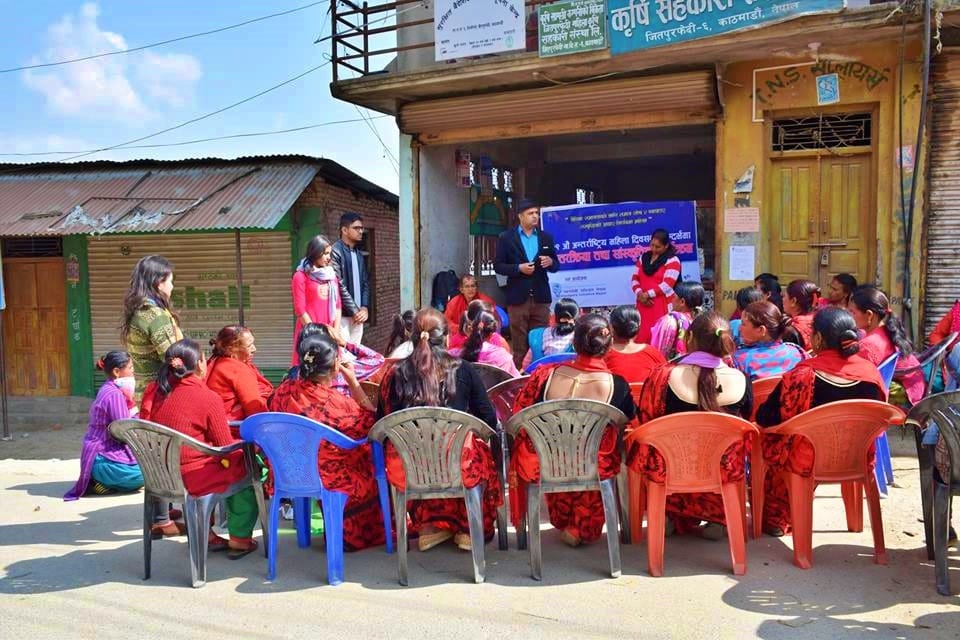
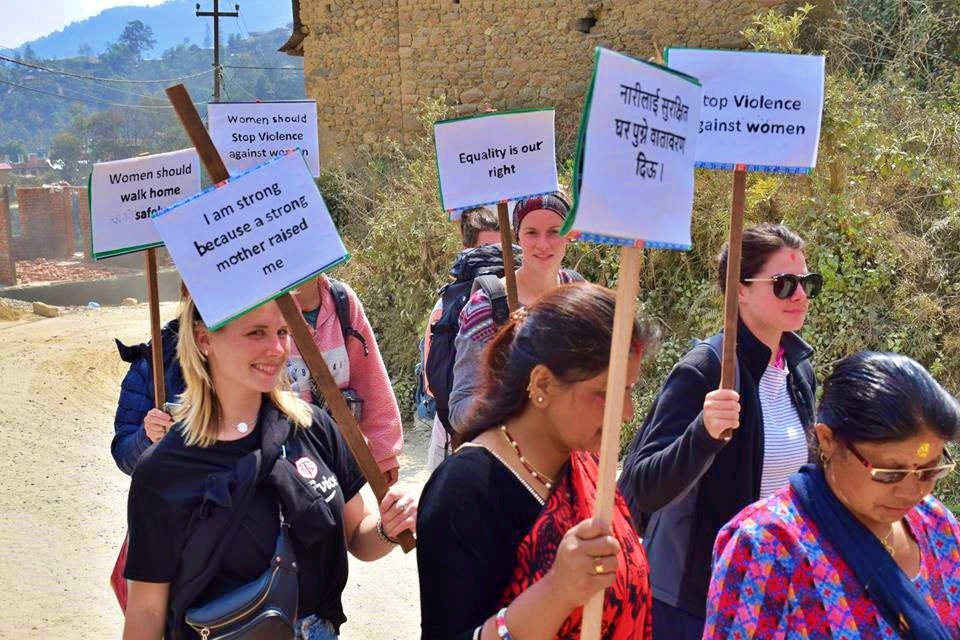
Organize outreach events to raise awareness about women’s rights, encourage community support, and foster a collaborative environment..
Success Stories: Impact of Our Women Empowerment Program
The impact of VIN’s Women Empowerment Program is best illustrated through the inspiring journeys of women who have transformed their lives.
Mina’s Journey
Mina, a single mother from a rural village, struggled to support her family. However, after participating in our vocational training program, she acquired tailoring skills and started her own business. As a result, Mina now supports her family and even employs other women in her community, creating new opportunities for others.
Sita’s Advocacy
Sita, a participant in our leadership development program, became a vocal advocate for women’s rights in her community. Through her efforts, she organised workshops on health and education, empowering other women to understand and exercise their rights while improving their livelihoods.
Together, these stories exemplify how the Women Empowerment Program equips women with the skills, confidence, and support needed to make meaningful changes in their own lives and within their communities.
Volunteer to Empower Women: Be the Change You Want to See
Your involvement can make a meaningful and lasting impact. We welcome both national and international volunteers who are passionate about gender equality and women’s empowerment. By volunteering with VIN, you will have the opportunity to:
-
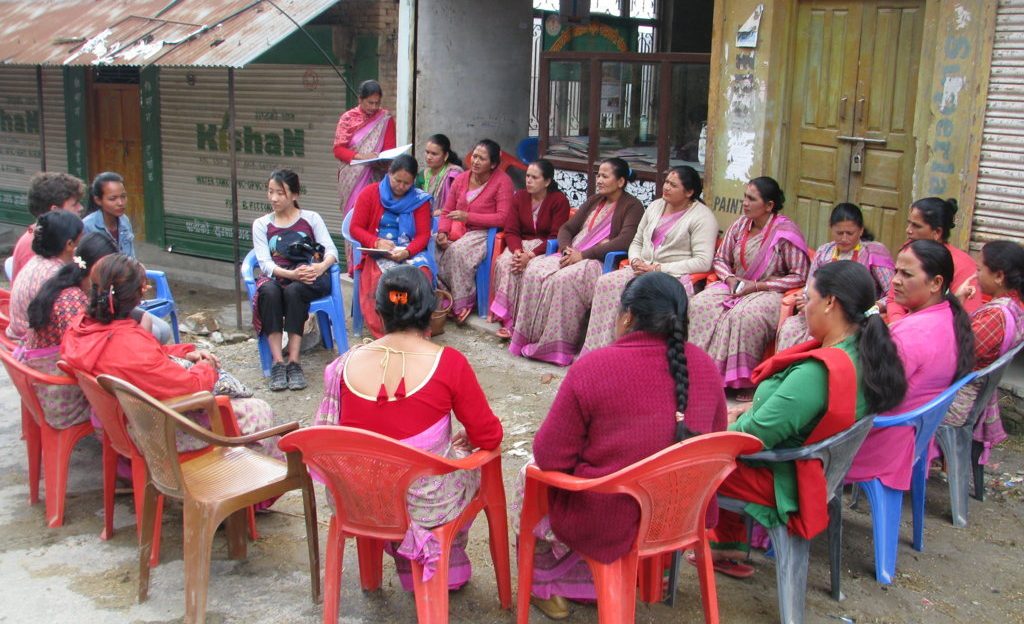
Engage directly with women in need, supporting their personal and professional growth
-
Share your skills and knowledge to empower women and enhance community programs
-
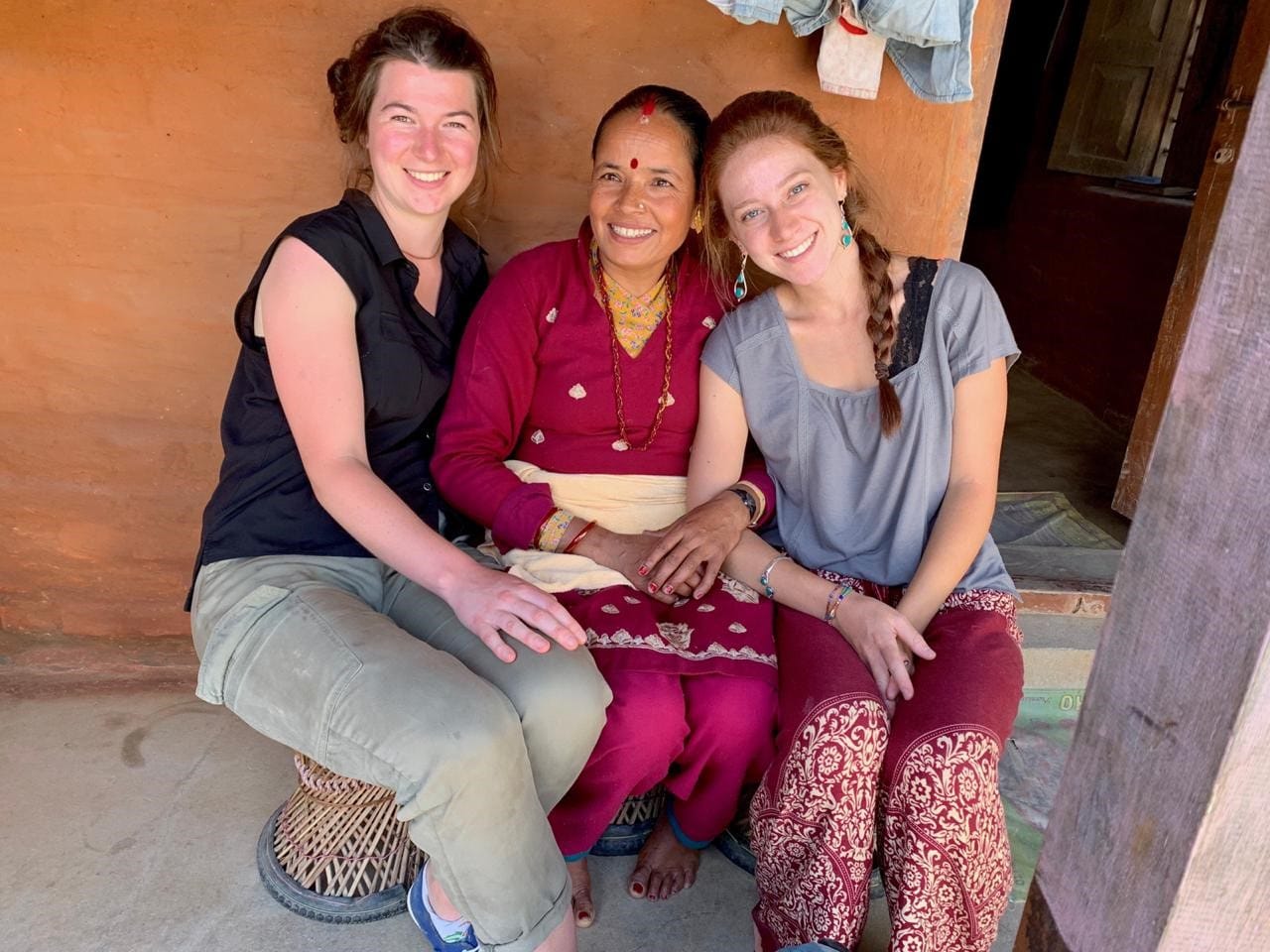
Learn about Nepali culture and gain insight into the challenges faced by women in local communities
Together, volunteers play a vital role in transforming lives, fostering empowerment, and contributing to a more equitable society.
Testimonials from Volunteers on Women Empowerment Projects
“Working with ViN has been one of the most rewarding experiences of my life. Seeing women gain confidence and skills that change their lives is truly inspiring.” — Sarah, Former Volunteer
“ViN’s Women Empowerment Program opened my eyes to women’s struggles in Nepal. I’m proud to have contributed to a cause that makes such a profound difference.” — Michael, Former Volunteer
These testimonials highlight the transformative experiences of volunteers and the meaningful impact they help create in the lives of women across Nepal. Volunteering with ViN not only empowers women but also offers a unique opportunity for personal growth and cultural exchange.
 Volunteer
 Intern
 Donate
 Sponsor a child
 Partner
 Promote
 Fundraise
 Fellowships and staff exchanges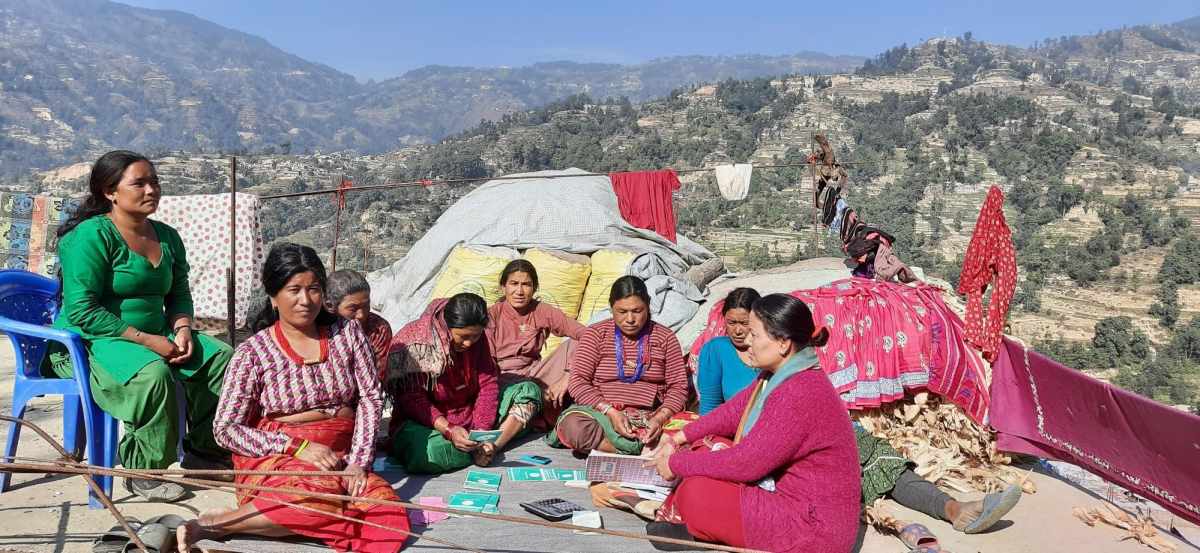
 Member of